like something you can
walk into.

Si Hene began as an Instagram archive of Ghana's chieftaincy and culture. Today it is a foundation — and from October 2026, a building: a place where heritage is something you can walk into, read, research and belong to.
The Cultural Centre
14 rooms for archiving, learning, creating and gathering — Archive Lab, Reading Room, Courtyard, Café, Co-working and more.
Opening October 2026Custodians Fellowship
A 17-week programme training the next generation of Ghanaian heritage stewards through ethical, community-centred archiving.
Now underwayBecome a Custodian
Join Ghana's first membership cultural centre and help build a permanent home for our shared culture.
MembershipBecome a founding Custodian, or get the newsletter for news as we open the doors.

One building.
All open by 2026.
Archive Lab
Research & digitisation studio
Reading Room
Cultural reference library
Courtyard
Greenery-filled open-air events space
Café
Morning through evening
Co-working Rooms
Creative workspace for members
Artist Studio · Gallery 1957
Artist-in-residence studio, in partnership with Gallery 1957
Daily Access
Archive Lab · Reading Room · Courtyard · Café · Co-working Rooms
Hands-on Cultural Workshops
Practical sessions in archiving, photography, textiles and heritage skills — led by practitioners and open to members
Training & Fellowship
The Custodians of Culture Fellowship — training the next generation of Ghanaian heritage stewards
Courtyard Events
Screenings · talks · private hire — the greenery-filled room without a roof
Schools & field trips
Bringing a class? Guided field trips, student workshops and heritage learning at the Centre.
at Si Hene.
The space
Dedicated desks and shared tables, power, fast wifi, and quiet zones for focused work.
For members
Custodians get co-working access as part of membership, alongside the Reading Room and Archive Lab.
Day passes
Not a member yet? Day passes to work from the Centre are coming soon.
field trips.
Guided field trips
A guided tour of the Centre — Archive Lab, Reading Room and Courtyard — introducing students to how Ghana's heritage is collected, cared for and kept alive.
Student workshops
Hands-on, age-appropriate sessions in archiving, photography, textiles and storytelling — letting students make and document, not just look.
Heritage learning
Visits connect to Ghanaian history and culture, with material teachers can tie back to the classroom. Tailored for primary through secondary groups.
Fellowship I is currently underway · March 23 – July 23, 2026 · Accra
Applications for the current cohort are closed.
This fellowship is supported by the Gwaertler Grant.
Our philosophy: Care over speed. Community consent over access. Listening over extraction. Process over product. Stewardship over ownership.
Fellowship I provides foundational training for emerging practitioners seeking to engage in ethical, community-centered heritage work. Fellows develop practical skills to document, digitise, and care for at-risk cultural materials while learning how to work collaboratively and respectfully with communities.
The fellowship emphasises listening before collecting, consent over access, and stewardship over ownership.
Fellows complete as trained Community Archivists, producing a community-rooted micro-archive that becomes a permanent part of the Si Hene Living Archives.
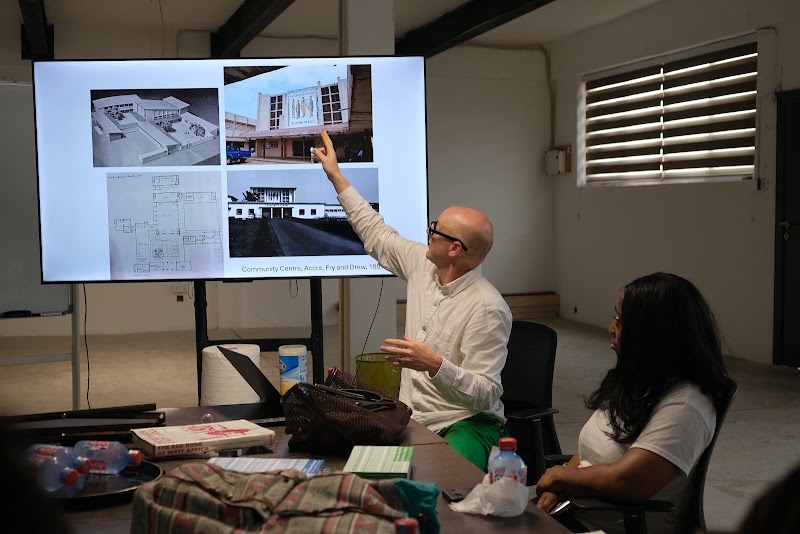
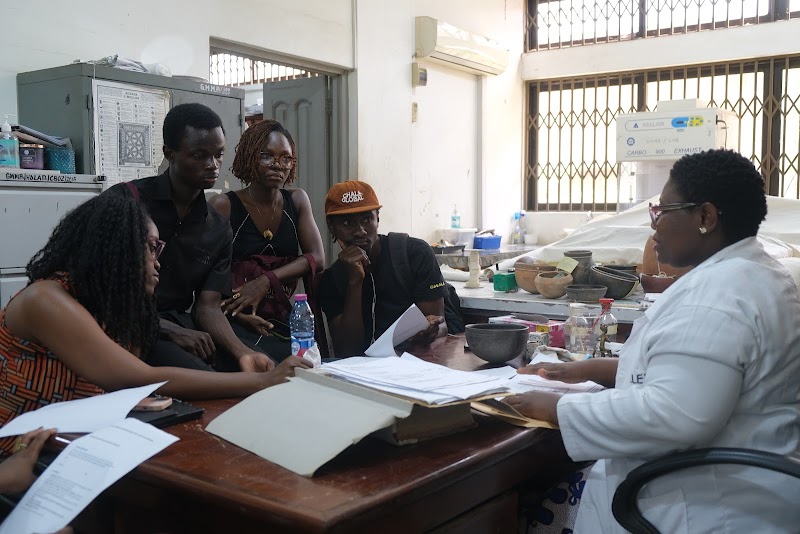
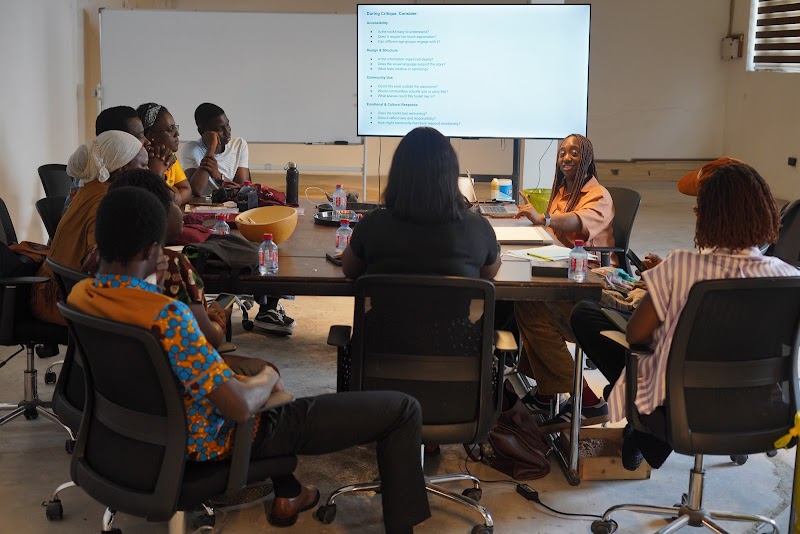

Monday (Lecture) · Wednesday (Field) · Friday (Critique & Reflection)
Currently underway: Custodians of Culture Fellowship I · March – July 2026
We're between events at the moment. The Si Hene Cultural Centre opens in October 2026 — sign up and we'll email you the moment the next event is announced.
Custodians of Culture Fellowship I
The Community Archivist
A 17-week foundational fellowship training the next generation of Ghanaian heritage stewards through ethical practice, community fieldwork, and hands-on archiving. Five fellows. Currently in Phase II — Methods & Community Practice.
Living Structures
PASSAGE Project
What are the stories held within Ghana's Atlantic-era castles and forts — and how might we reimagine these sites of memory as living cultural centres? Living Structures explores the histories of seven fort sites and the communities around them, asking what these spaces could become: places of learning, gathering and belonging rather than monuments to the past alone. In partnership with The National Archives UK.
Reading Room:
Ghana in Portrait
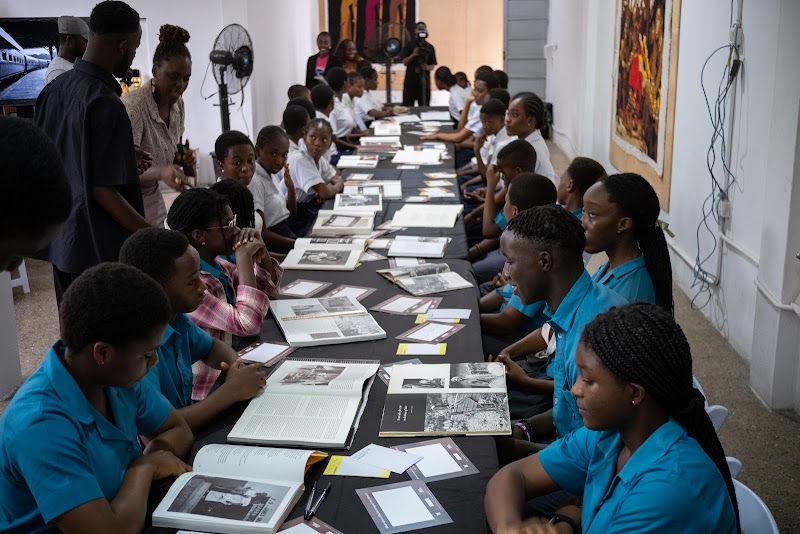
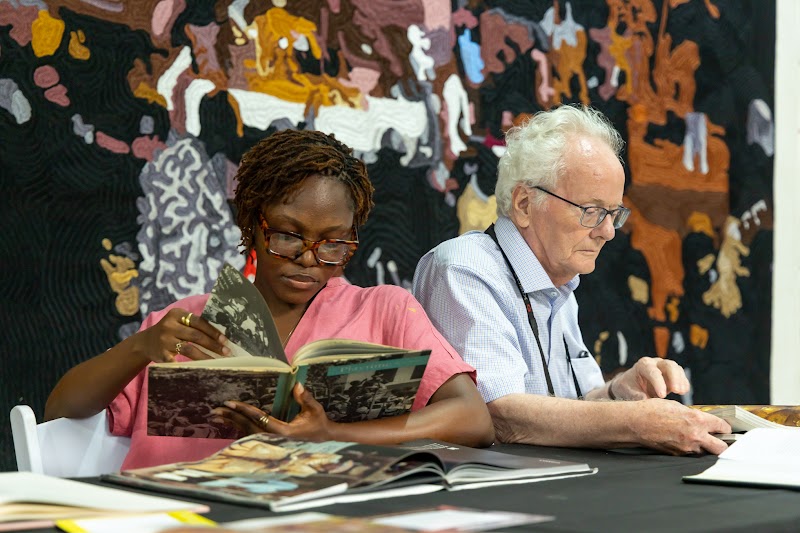
Four days with works by Paul Strand, James Barnor, Willis Bell, and Basil Davidson. A guided conversation — led by Rita Mawuena Benissan, curator Damarice Amao, and Cécile Nedelec from Les Rencontres d'Arles — where participants brought their own eye and memory to images made, for a long time, without us in the room.
11am–6pm daily (Sunday 1pm–6pm) · Open to all · Members received priority access


Vanishing Past:
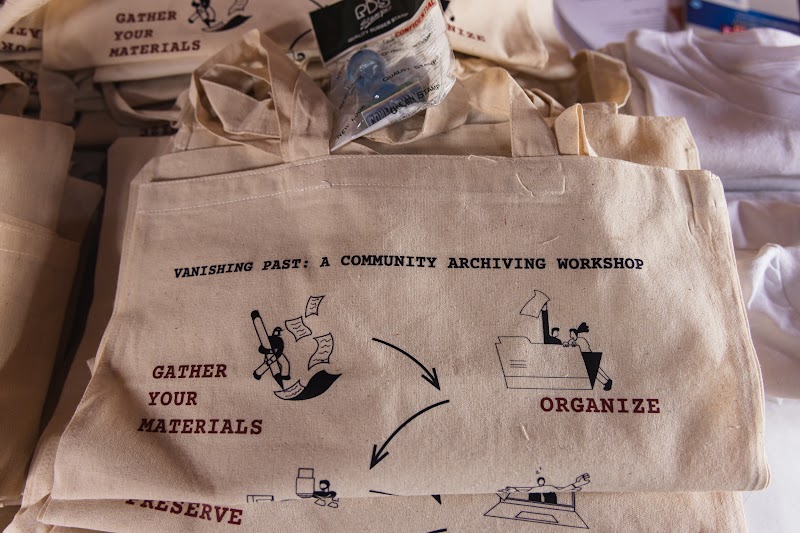
A Community Archiving Workshop
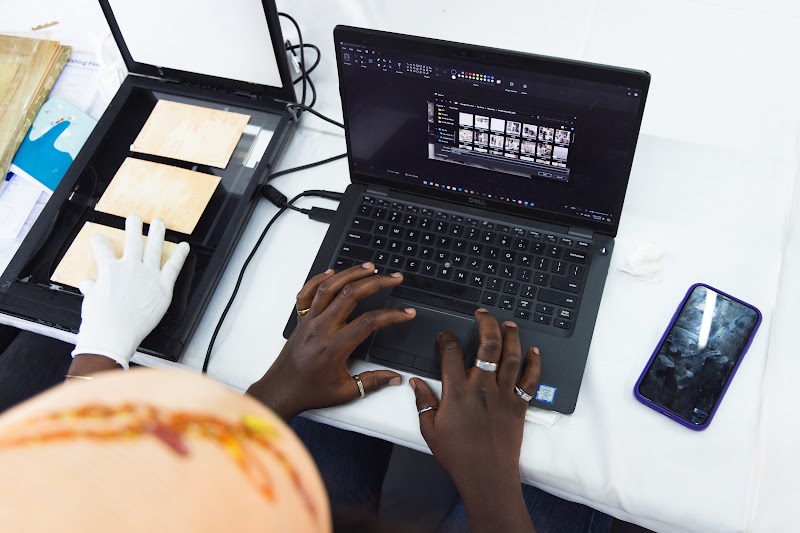
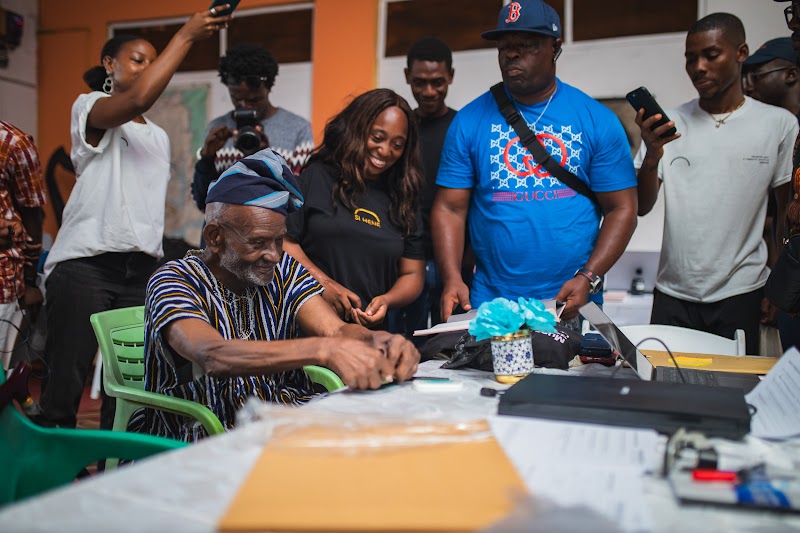
A three-day community archiving programme (June 7 & 8, 11am–6pm; June 9, 1pm–6pm) at Jamestown Café, High Street, Accra, bringing together participants from across the city to document at-risk cultural materials, oral histories, and neighbourhood memory. The Vanishing Past was Si Hene's first large-scale public archiving workshop and laid the groundwork for the Custodians of Culture Fellowship.

Open Society Foundations:
Global Convening on the Restitution of African Heritage
Rita Mawuena Benissan directed the Open Society Foundations' Global Convening for the Restitution of African Heritage — a landmark gathering bringing together institutions, governments, and cultural practitioners from across Africa and the diaspora to address the return of African cultural objects held in Western collections.

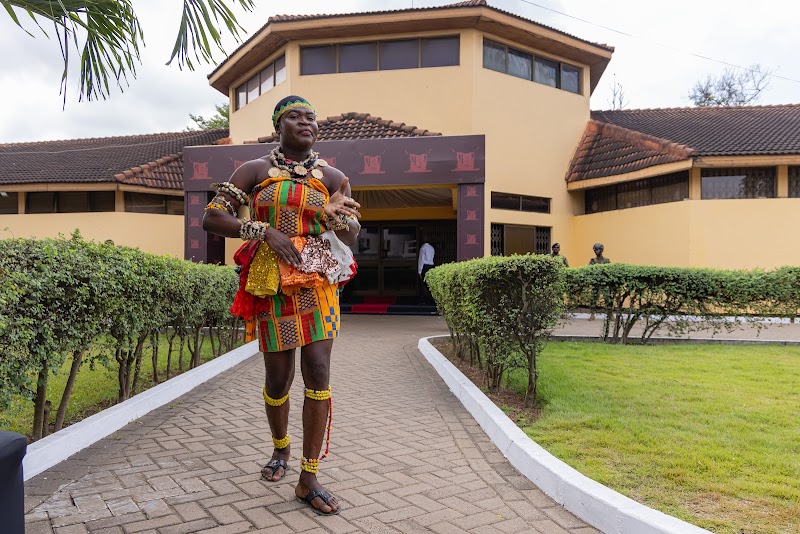


Reopening of the
National Museum of Ghana
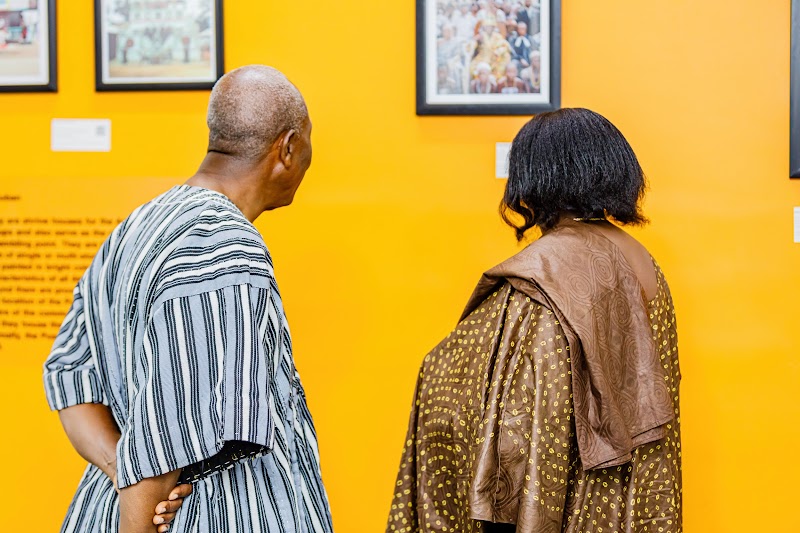
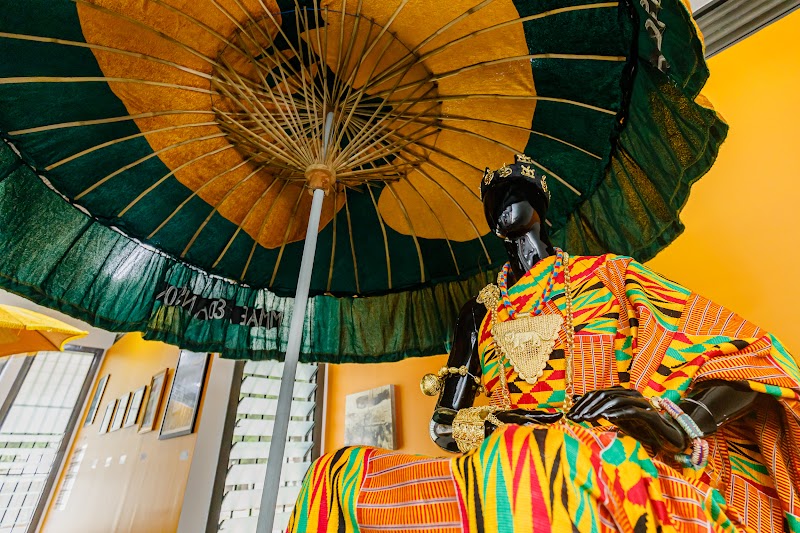
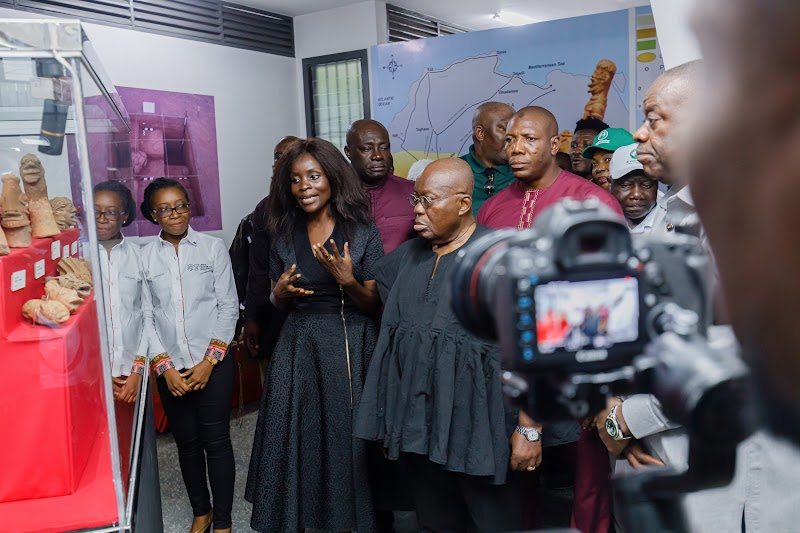
Si Hene contributed to the reopening of the National Museum of Ghana — a landmark moment in the country's cultural infrastructure. After years of closure due to underfunding, the museum's return marked a significant recognition of the role cultural institutions play in Ghana's national identity, and of Si Hene's place within that ecosystem.

upcoming programmes.
Browse the collection
Search and explore what we hold — photographs, books, documents and oral histories — from wherever you are.
Reserve for your visit
Find what you'd like to see, then reserve it ahead of your visit to the Archive Lab at 128 Ring Rd E, Accra.
Research in person
Visit the Archive Lab to view, read and engage with the materials in person, supported by our team.
Photographs
Archival images of Ghana from the 1800s onwards — chieftaincy and royal courts alongside everyday life: markets, families, fashion, work and the rhythms of ordinary Ghanaian life
Books & Texts
Reference works, academic publications and cultural documents spanning Ghana, the wider African continent and the diaspora — a growing library connecting Ghanaian heritage to its broader African and global context
Books & publications
Reference works, monographs and exhibition catalogues on Ghanaian history, art, photography and chieftaincy.
Africa & the diaspora
A growing collection connecting Ghana's story to the wider African continent and its diaspora — history, theory and culture.
Documents & references
Academic papers, periodicals and cultural documents to support students, researchers and the curious.
Browse the collection
Search and explore the library catalogue — books, publications and reference documents — from wherever you are.
Reserve for your visit
Find what you'd like to read, then reserve it ahead of your visit to the reading room at 128 Ring Rd E, Accra.
Read in person
Members sit, read and research on site — a quiet, comfortable space, supported by our team. Materials stay in the room for the next reader.
The reading room is a membership space. Become a Custodian to browse, reserve and visit.
Volunteer
OpenSupport our programmes, events, and archive days. Volunteers help with community outreach, event coordination, digitisation sessions and more. No experience required — just commitment and curiosity.
Internship
RollingWe offer internships across programmes, communications, archiving and research. Interns work closely with the Si Hene team, gain hands-on experience in cultural institution-building, and contribute to live projects from day one.
Collaborate
OpenWe collaborate with institutions, researchers, artists, photographers and cultural practitioners on projects aligned with our mission. If you are working on something that speaks to Ghanaian heritage, restitution, oral history or community archiving — let's talk.
Full-time Roles
As we growWe are a growing institution. As the Cultural Centre opens in October 2026, we will be building out a full team across programming, operations, archive management, communications and the café. If you want to grow with us, introduce yourself now.
We read every message.
Tell us who you are, what you do, and why Si Hene. We don't need a formal cover letter — just an honest note about where you're coming from and what you'd like to contribute.
We'll only use your details to reply to you — never sold or shared.
Find us
128 Ring Road East, Accra, Ghana
Cultural Centre opens October 2026
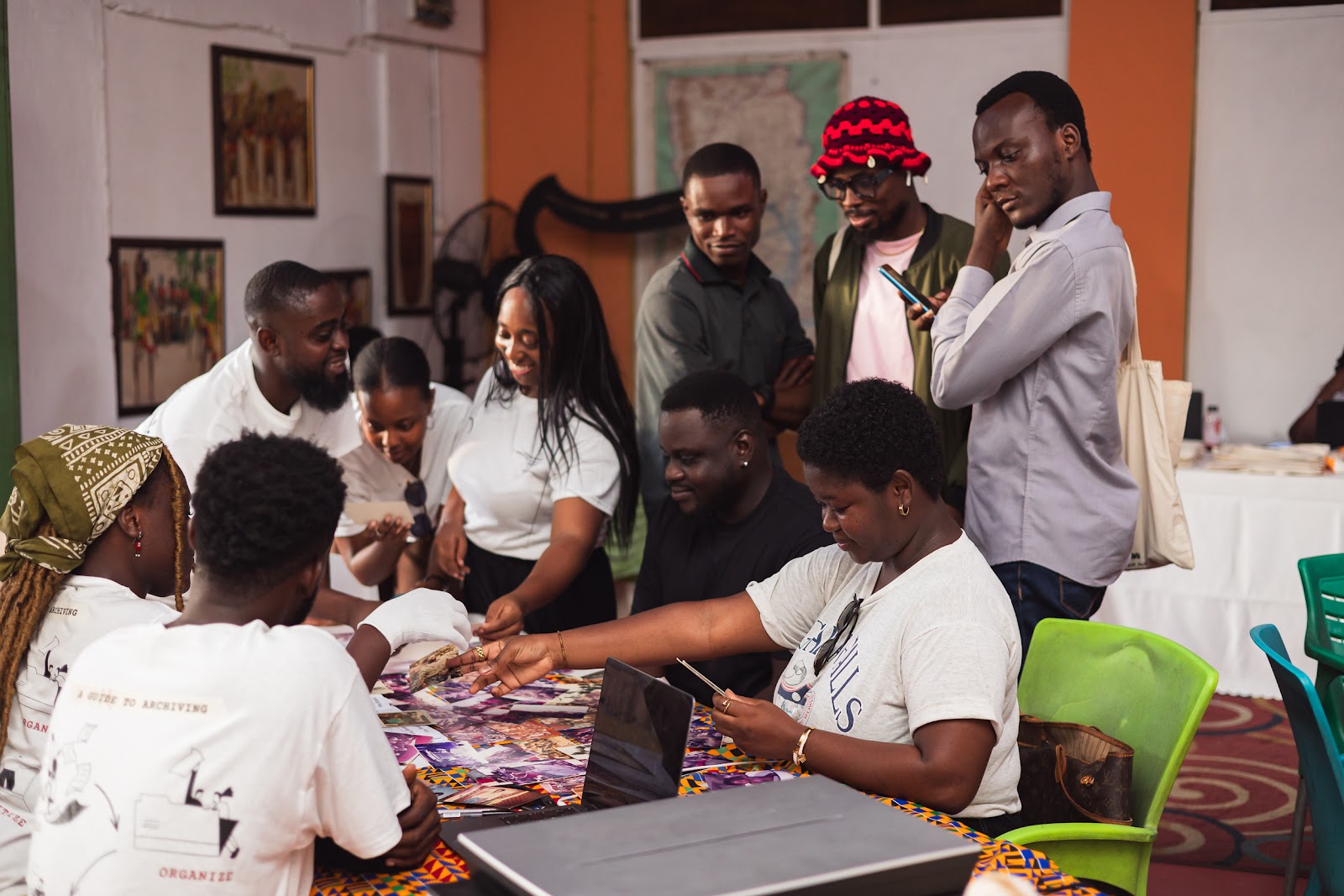
Si Hene — "Enstoolment" in Twi — began in 2020 as an Instagram archive, born from founder Rita Mawuena Benissan's search for images of Ghana's royal umbrellas, stools and chieftaincy that she simply could not find. What started as a way to gather scattered pictures of a vanishing history grew into a foundation dedicated to archiving and preserving Ghana's culture.
Six years on, our work reaches far beyond chieftaincy. The archive now holds everyday life — markets, families, fashion, faith and work — and our programmes span photography, oral history, restitution, community archiving and education, connecting Ghana's story to the wider African continent and its diaspora.
For us, culture is not something kept behind glass. It is living — carried in how people dress, gather, speak, worship, build and remember. Culture is identity and belonging; it is how a community knows where it comes from and imagines where it is going. Si Hene exists to hold that culture with care, so that Ghana's heritage — royal and everyday alike — stays present, shared and alive for the generations still to come.
The Cultural Centre is built as a space that asks questions — far beyond the archive. What is culture, and who gets to define it? What does it mean to hold another's memory, and to care for the items that carry it — the photographs, the regalia, the everyday objects passed from hand to hand? Who are these things for? What could our histories, our traditions, even our old forts and castles, become if we reimagined them as living spaces? We would rather open these questions of culture, memory and belonging with our community than answer them alone.
Whatever you are looking for — a photograph, a record, a thread of family history, or simply a place to think — we can't wait to be the foundational space for your research.
"A people without the knowledge of their past history, origin and culture is like a tree without roots."
For interviews, images or background, write to info@sihene.com.